
WelshConfed26: Health and care in Wales: if not now, when?
The Welsh NHS Confederation Annual Conference and Exhibition unites leaders at Wales' health and care event of the year.
About our conference
WelshConfed26 brings together leaders, professionals and partners from across health, social care, local government and the voluntary sector and beyond to collaborate, share learning and explore the challenges and opportunities facing Wales.
Due to the success of last year’s conference and strong demand already this year, we’re expanding to two days. It’ll be bigger and better than ever, with more content, workshops, speakers, networking opportunities, discussions and learning for delegates to get stuck into.
Why attend
This year, we’re bringing leaders together at a pivotal moment for health and care in Wales. As our first conference with the new Welsh Government and last as the Welsh NHS Confederation before we relaunch as The Welsh NHS Alliance, WelshConfed26 marks the beginning of a new chapter and an opportunity to explore the future together.
Improving the health and wellbeing of the population cannot be achieved by the NHS alone. Our conference therefore provides a valuable opportunity to strengthen partnerships, develop innovative solutions and seize the opportunities that come with a new government and evolving health and care landscape.
By attending WelshConfed26 you will:
🎙️hear from thought-inspiring leaders from across the health and care sector and beyond
💬 take part in engaging discussions on key issues and important developments in health and care, sharing learning and best practice
🤝 network with your peers and make new contacts
💡gain practical insights and leave with insights and ideas you can adopt and adapt within your organisation.
Our event partners

'Event partner' includes organisation and funding of a breakout or Plenary session, delegate passes and exhibition stand space.
Conference reception and dinner
Taking place at The Coal Exchange Hotel, Cardiff, on the evening of Tuesday 3 November, our conference reception and dinner is open to all. We can’t wait to welcome guests to make connections and get inspired!
Dinner bookings are included on the main registration link. For further enquiries regarding the reception and dinner, please email Sandra.cummings@welshconfed.org
Reception sponsor

Dinner sponsor

Sponsorship and exhibition opportunities
The exhibition has now sold out!
For more information on the remaining sponsorship opportunities, please email sandra.cummings@welshconfed.org
Programme
Agenda
08:00Registration opens
08:30Breakfast sessions
From process transformation to agentic AI: building the foundations for innovation in NHS Wales
This session is supported by Trustmarque Ultima.
Across NHS Wales, organisations are modernising services and releasing valuable time back to frontline teams through digital transformation initiatives such as Microsoft Power Platform, but these programmes are doing more than improving processes, they are creating the foundations needed to adopt AI safely, responsibly and at scale.
In this interactive panel discussion, representatives from NHS Wales, Trustmarque and Microsoft will explore how healthcare organisations are improving productivity, governing innovation and enabling user adoption. Attendees will hear practical examples of modernising legacy processes, driving measurable outcomes through low code technologies and preparing their organisations for the next wave of innovation including Agentic AI. The session will provide insights into balancing governance with innovation while ensuring technology delivers meaningful value for patients, staff and healthcare services.

Why does Wales need a Men’s Health Plan?
This session is supported by Movember.
- More than 1 in 3 male deaths in Wales occur before the age of 75.
- 7.5 years separates male life expectancy in Wales’ most and least deprived communities.
- Over 2,500 men are diagnosed with prostate cancer in Wales annually.
Behind every statistic is a father, son, brother, partner, colleague or friend. When men’s health suffers, the impact reaches far beyond the individual, affecting families, communities, workplaces and services. We can change this. Find out how!
Speakers:
• Ayesha Ahmed, Senior Manager, Policy & Advocacy, Movember
• Zac Lyndon-Jones, Chief Executive, Cardiff City FC Foundation
Financial turnaround to sustainable transformation
This session is supported by PwC.
The NHS across Wales continues to experience significant operational pressures and financial constraints which can often result in NHS organisations focussing on short-term cost reduction through financial turnaround.
Lasting recovery requires more: clinically owned change, stronger delivery disciplines and organisational capability. Successful turnaround provides the platform transformation, leading to safer, more productive and sustainable care.
Drawing on PwC’s turnaround and transformation experience across the UK, this session explores how leaders can move from stabilising finances to redesigning services for sustainable value. It will examine the practical ingredients of success: understanding the drivers of deficit, building a credible improvement pipeline, strengthening grip and accountability, integrating finance with operational, clinical and digital transformation, using data to target productivity, and transferring capability so that improvement is sustained long after external support has ended.

08:30Exhibition, networking, refreshments
09:35Plenary
9.35 Conference Plenary opens - day 1
Broadcaster, Journalist & Live Event Host
Rob Osborne
9.45 Welcome
Chair, Welsh NHS Confederation
Jonathan Morgan .
10.00 Delivering for health and care in Wales: Reflections from Jacqueline Totterdell
Delegates will hear from Jacqueline Totterdell, Chief Executive, NHS Wales and Director General for Health & Social Services, on delivering the Welsh Government’s plan for better health and care for the people of Wales.
Chief Executive, NHS Wales and Director General for Health & Social Services
Jacqueline Totterdell
10.20 It’s still about people – with Michael Caulfield MSc
In an increasingly fast-paced world dominated by technology and instant communication, Michael will explore why successful change still comes back to people: talking to them, listening to them and noticing what they need. Drawing on his work supporting leaders and their teams through change, including within the NHS, he will consider how strategies can be shaped so they are practical and deliverable for those expected to implement them, offering a timely reminder that meaningful progress depends on bringing people with us.
Sports Psychologist, Keynote Speaker & Broadcaster
Michael Caulfield
11:00Exhibition, networking, refreshments
11:35Breakout sessions - round 1
Can data driven prevention transform cardiovascular outcomes across Wales?
This session is supported by Novartis.
Cardiovascular disease remains one of Wales' greatest population health challenges. Join our panel of NHS leaders as they explore and discuss the ambition to co-develop a national Wales Prevention First CVD Pathway designed to reduce unwarranted variation, improve outcomes and accelerate prevention across all health boards. Hear practical insights on what is required to lead this change at scale, overcome adoption barriers and deliver a truly once for Wales approach to innovation and system transformation.

Chief Executive Officer, Aneurin Bevan University Health Board
Nicola Prygodzicz
Field Access Manager, Novartis
Chrissie Gallimore
Acting Director of Research, Innovation and Value, Hywel Dda University Health Board / President, Academy for Healthcare Science
Professor Chris Hopkins
Consultant in Metabolic Medicine, Cardiff and Vale University Health Board
Professor Dev Datta
Lead Cardiac Pharmacist, Hywel Dda University Health Board, Clinical Academic Tritech Institute & Assoc. / Professor, Swansea University
Dr Dan Harris
GP & Clinical Lead, Primary & Community Services Academy, Hywel Dda University Health Board / Chair, RCGP Wales
Dr Will Mackintosh BM
Policy and Public Affairs Manager, British Heart Foundation Cymru
Bethan Edwards
NHS-industry partnerships in practice: delivering better outcomes for patients and the NHS
This session is supported by ABPI.
Partnerships between the NHS and the research-based pharmaceutical industry have a strong track record of delivering benefits for patients, the NHS and industry: the so-called ‘triple win’.
This session will explore how effective NHS–industry partnerships can support the delivery of NHS priorities, improve patient outcomes and help address growing pressures across the health system. It will also mark the launch of a new report quantifying the impact of these partnerships on health outcomes and economic productivity.

Director, Value and Access Policy, Amgen UK
Richard Price
Regional Director for Research and Innovation, Hywel Dda and Swansea Bay University Health Boards
Dr Leighton Phillips
CEO, Asthma and Lung UK
Sarah Sleet
UK Head of Public Affairs, Novartis
Rob Thomas
CEO, The Life Sciences Hub Wales
Cari-Anne Quinn
Closing the cancer gap: Tackling inequity through partnership, influence and action
This session is supported by Macmillan.
Tackling cancer inequities requires collective action. This session will explore the persistent inequalities affecting cancer experiences and outcomes across Wales, and the practical steps needed to address them. Drawing on Macmillan’s work through policy influence, strategic investment, workforce development and partnership working, we will share what is making a difference and where further progress is needed. Join us to explore how, together, we can build fairer, more equitable cancer care for everyone.

When transformation is urgent, how do we decide what is genuinely worth investing in?
This session is supported by CGI IT UK Ltd.
CGI and Hywel Dda University Health Board will explore how health and care organisations can turn transformation ambition into measurable value. Drawing on real experience and emerging thinking around digital, data and AI, the session will examine how investment can release capacity, improve outcomes and build resilience.
Delegates will be asked to apply practical frameworks to a live challenge, exploring where they would invest to create the greatest sustainable impact.
Where is the money coming from to unlock change in the NHS in Wales?
This session is supported by NHS Charities Together.
The healthcare system in Wales continues to experience system and budget pressures. To ensure patient, staff, and community needs are met, healthcare leaders need to begin considering innovative funding models and ways of working. This session will highlight the challenges and opportunities the Welsh healthcare system faces and consider the powerful role of NHS Charities in easing pressures. Panellists will bring examples from the healthcare system and views on strategic working and innovative funding opportunities.

What if? From pressure to possibility
This session is supported by Life Sciences Hub Wales.
What if Wales could show what a truly innovation-led health system looks like? Looking beyond today’s pressures, this session imagines health and care in 2035 – where prevention happens earlier, technology gives clinicians time back, care is closer to home and innovation becomes everyday practice.
Bringing together voices from technology, the NHS and third sector, we’ll explore what needs to change now to turn possibility into progress – delivering better health, a sustainable NHS and economic opportunity.

12:35Exhibition, networking, lunch
13:40Plenary
Preparing for the future: what can we learn from other nations?
The Chief Medical Officers of Wales, Scotland and Northern Ireland will explore how their nations are responding to current and future demand for health and care. From prevention and population health to community-based services and demographic change, this session will examine the policies, priorities and innovations shaping the future of care, and the lessons each nation can learn from the others.
Chief Medical Officer, Northern Ireland
Professor Sir Michael McBride
Chief Medical Officer, Scotland
Professor Sir Gregor Smith
Chief Medical Officer, Wales
Professor Isabel Oliver
14:45Exhibition, networking, refreshments
15:15Breakout sessions - round 2
Can data driven prevention transform cardiovascular outcomes across Wales?
This session is supported by Novartis.
Cardiovascular disease remains one of Wales' greatest population health challenges. Join our panel of NHS leaders as they explore and discuss the ambition to co-develop a national Wales Prevention First CVD Pathway designed to reduce unwarranted variation, improve outcomes and accelerate prevention across all health boards. Hear practical insights on what is required to lead this change at scale, overcome adoption barriers and deliver a truly once for Wales approach to innovation and system transformation.

Chief Executive Officer, Aneurin Bevan University Health Board
Nicola Prygodzicz
Head of Field Access, Novartis
Danny Moore
Acting Director of Research, Innovation and Value, Hywel Dda University Health Board / President, Academy for Healthcare Science
Professor Chris Hopkins
Consultant in Metabolic Medicine, Cardiff and Vale University Health Board
Professor Dev Datta
Lead Cardiac Pharmacist, Hywel Dda University Health Board, Clinical Academic Tritech Institute & Assoc. / Professor, Swansea University
Dr Dan Harris
GP & Clinical Lead, Primary & Community Services Academy, Hywel Dda University Health Board / Chair, RCGP Wales
Dr Will Mackintosh BM
Policy and Public Affairs Manager, British Heart Foundation Cymru
Bethan Edwards
From vision to reality: Delivering the NHS Wales Digital Blueprint
This session is supported by Digital Health and Care Wales.
Following on from last year’s popular breakout session, delegates will have the chance to learn more about the significant work that has since taken place to develop a NHS Wales Digital Blueprint for the future of digital health and care services across Wales.

CEO, Digital Health and Care Wales
Helen Thomas
CEO, Cwm Taf Morgannwg University Health Board
Paul Mears
Global CEO, Tektology
David Nicholson
Leading through challenge: why research matters now more than ever
This session is supported by Health and Care Research Wales.
Health and care organisations across Wales are facing growing demand, workforce challenges, financial pressures and increasing expectations to improve quality and outcomes. Framed around the conference theme, this panel session will consider why research should be viewed as part of the solution rather than an additional demand on stretched services. Drawing on the national Embedding Research in the NHS programme and experiences from across Wales, the discussion will explore how research-active organisations can improve patient outcomes, support innovation, attract and retain staff, and increase access to new treatments.
Bringing together leaders and practitioners from across the healthcare system, the panel will discuss the role of leadership in making research a visible, valued and routine part of care and services. Using real-world examples, panellists will consider how research can become part of planning, workforce development and service improvement, leaving delegates with practical ideas to strengthen research within their own organisations.
From service redesign to system impact: how Newport is improving outcomes, reducing demand and proving the benefits
This session is supported by Impower.
Most transformation programmes can describe what they want to change, but far fewer can demonstrate a clear link between service redesign, improved outcomes, reduced demand and financial sustainability. Using Newport's ASC and Reablement transformation as an example, we could explore; designing a service around independence and prevention; implementing change in practice; tracking impact from frontline activity through to outcomes, benefits and long term demand reduction; lessons on governance, benefits realisation and sustaining change.

Purpose led partnerships with NHS Wales
This is a non-promotional symposium sponsored and organised by AstraZeneca and is intended for UK HCPs, policymakers and the general public.
This session will cover how AstraZeneca is successfully transforming care by partnering and innovating with the NHS to improve outcomes in chronic diseases and cancer. We will discuss innovative approaches that AstraZeneca are delivering at scale and in collaboration with the NHS, their impact for patients, as well as the creation of sustainable and resilient healthcare systems fit for the future.
AstraZeneca has provided a sponsorship towards this independent programme. AstraZeneca has had no editorial input into or control over the agenda, content development or choice of speakers, nor opportunity to influence except for the AstraZeneca sponsored non-promotional symposia.
GB-81139
Date of preparation: September 2026
16:20Plenary
16.20 Looking forward together: Leadership, collaboration and the future of the NHS Alliance
Drawing on experiences from his career and first six months in post at the NHS Alliance, Sir Ciarán Devane will discuss the power of collaboration across the NHS. From shared challenges to shared opportunities, he will outline how the NHS Alliance can help bring organisations, leaders and partners together to improve health and care across the nations.
Chief Executive, The NHS Alliance
Sir Ciarán Devane
16.45 Close of day 1
Broadcaster, Journalist & Live Event Host
Rob Osborne
08:00Registration opens & exhibition, networking, refreshments
08:00Breakfast sessions
The state of mental health in Wales: what the evidence tells us
This session is supported by Mind Cymru.
Drawing on new findings from Mind Cymru's Big Mental Health Report, this session provides a unique picture of peoples' experience of mental health in Wales today. Explore what people, professionals and service data reveals about access to support, emerging challenges and future opportunities.
Attendees will gain actionable insights to inform planning, service improvement and delivery of Wales' mental health ambitions and how Mind Cymru can contribute to this.

If not now, when? Turning Wales’s national architecture into action
This session is supported by Aire Logic.
Wales has a shared architectural vision for a connected, data-driven health and care system. The challenge is turning it into affordable progress across health boards, trusts and services.
Aire Logic will explain how the National Target Architecture was developed with Digital Health and Care Wales, bringing all health boards and trusts behind a coherent 10-year direction, supported by Wales’s first enterprise architecture Community of Practice.
The session will then consider how organisations can move towards the target architecture despite funding and operational pressures.
Vicky and Matthew will explore how open, interoperable architecture, regional collaboration and incremental change can support progress without waiting for the perfect programme, budget or technology. Attendees will gain practical insights into aligning national strategy with local priorities and taking achievable steps towards joined-up care in Wales.

Lead Enterprise Architect, Airelogic
Vicky Rothwell
Lead Architect and Principal Consultant, Airelogic
Matthew Pattison
09:05Plenary
9.05 Conference Plenary opens - day 2
Broadcaster, Journalist and Live Event Host
Rob Osborne
9.10 Keynote address
Cabinet Minister for Health and Care
Mabon ap Gwnfor MS
9.35 Connected care, better outcomes: how AI and data are shaping the future of healthcare in Wales
This session is supported by BT.
With two decades of experience in the NHS, Professor Sultan Mahmud will talk about how AI, data and digital innovation can help clinicians make faster decisions, improve patient outcomes and create more time for care.
He’ll discuss how connected technologies and trusted partnerships can turn ambition into action, delivering a more efficient, sustainable and patient-focused health service for Wales.

Director of Healthcare, BT Business
Professor Sultan Mahmud
9.50 Community by design: beyond hospital by default - with Thea Stein
Workforce, productivity, and international lessons for care closer to home.
Chief Executive, Nuffield Trust
Thea Stein
10:30Exhibition, networking, refreshments
11:00Breakout sessions - final round
When transformation is urgent, how do we decide what is genuinely worth investing in?
This session is supported by CGI IT UK Ltd.
CGI and Hywel Dda University Health Board will explore how health and care organisations can turn transformation ambition into measurable value. Drawing on real experience and emerging thinking around digital, data and AI, the session will examine how investment can release capacity, improve outcomes and build resilience.
Delegates will be asked to apply practical frameworks to a live challenge, exploring where they would invest to create the greatest sustainable impact.

NHS-industry partnerships in practice: delivering better outcomes for patients and the NHS
This session is supported by ABPI.
Partnerships between the NHS and the research-based pharmaceutical industry have a strong track record of delivering benefits for patients, the NHS and industry: the so-called ‘triple win’.
This session will explore how effective NHS–industry partnerships can support the delivery of NHS priorities, improve patient outcomes and help address growing pressures across the health system. It will also mark the launch of a new report quantifying the impact of these partnerships on health outcomes and economic productivity.

Director, Value and Access Policy, Amgen UK
Richard Price
Acting Director of Research, Innovation and Value, Hywel Dda University Health Board / President, Academy for Healthcare Science
Professor Chris Hopkins
CEO, Asthma and Lung UK
Sarah Sleet
UK Head of Public Affairs, Novartis
Rob Thomas
CEO, The Life Sciences Hub Wales
Cari-Anne Quinn
Carer Aware communities: equipping professionals and community services to better support unpaid carers
This session is supported by Carers Wales & Carers Trust.
Unpaid carers play a vital role in supporting health and care systems, yet many remain unidentified until they reach crisis point. Co-produced with carers, this session will explore how creating carer aware communities can support early identification, prevention and improved wellbeing. Attendees will be introduced to free online training resources and explore how equipping community organisations to recognise and respond to carers can strengthen links with health services, improve referrals and signposting, and ensure carers receive the right support at the right time.
Carer Aware Project Officer, Carers Trust Wales
Sioned Williams
Programme Lead, Carers Trust Wales
Kelly Harris
Training and Learning Officer, Carers Wales
Heather Beer
Senior Policy and Public Affairs Officer, Carers Wales
Jake Smith
Why transformation in NHS Wales often struggles to deliver lasting change: what a new government can do differently
This session is supported by Perago.
"Transformation" gets used to describe almost anything: a new IT system, a service redesign, a five-year strategy. NHS Wales has tried most of them. Some have delivered. Most have not stuck. The reason is rarely ambition. It is that transformation gets treated as an event, not a discipline: a programme with a start and end date, rolled out before anyone has properly understood what the current service does, for whom, and why.
Caerphilly County Borough Council offers a useful comparison. Facing rising demand and a shrinking budget, the council did not start with cuts. It spent two years on agile, user-centred service design, mapping how services actually worked before rebuilding governance around what that revealed. The result was over £20 million saved in the first two years, with a roadmap to save £65 million while improving services. Understanding before redesigning is exactly the discipline health and care in Wales has struggled to protect time and funding for.
The UK Cabinet Office's Test, Learn and Grow programme, a three-year, £100 million commitment, backs that same discipline at national scale: testing place-based experiments locally before scaling them, rather than designing policy centrally and rolling it out cold. This session asks what a Welsh equivalent would need.

Learning differently: how AI could transform education and learning across NHS Wales
This session is supported by Health Education and Improvement Wales.
How could AI make learning more personalised, accessible and responsive across NHS Wales, while maintaining the safety, quality and trust our workforce and patients expect?
This session brings together leaders from Health Education and Improvement Wales and Cardiff University School of Medicine to explore how that ambition is already being put into practice, through examples including the healthcare AI learning interface and Genomics AI mentor, speakers will demonstrate how AI enabled tools can provide on demand, role relevant guidance, build confidence in rapidly evolving areas and support consistent evidence-based learning. The panel will also explore how AI is being embedded within undergraduate medical education, helping future doctors develop the knowledge, critical thinking and professional judgement needed to work safely and responsibly alongside AI enabled systems.
12:05Open exchange sessions
From hospitals to the community: What’s holding us back?
Across Wales, there's consensus that health and care services need to respond to growing demand, increasing complexity and widening health inequalities by shifting the focus towards prevention, population health and delivering more care closer to home.
While there is widespread agreement on this direction of travel, turning ambition into sustainable change requires more than policy alone. It demands stronger collaboration across primary care, community services and wider system partners, while embracing innovation and new ways of working.
As Wales continues this transition, important questions remain around neighbourhood-based care, prevention, partnership working, data and digital, and how national ambition can be translated into meaningful local action.
This session will bring together delegates to ask what changes are needed to accelerate the shift towards care closer to home? What experiences can we share and how can we challenge each other's thinking?
Chair, Cwm Taf Morgannwg & Welsh NHS Confederation
Jonathan Morgan .
Deputy Commissioner and Director for Health, Office of the Future Generations Commissioner
Marie Brousseau-Navarro
From strategy to delivery: How do we close the implementation gap in Wales?
Wales demonstrates strength in developing ambitious, values-driven strategies, but often struggles to translate these into consistent delivery on the ground. Landmark frameworks such as the Well-being of Future Generations Act and A Healthier Wales set a clear vision for prevention, integration and equity. However, implementation falls short of intent.
Delivery is often constrained by system complexity, workforce pressures, organisational culture, short-term pressures vs long-term goals, and the lack of long-term financial certainty. Bridging this gap means strengthening whole-system alignment - ensuring national priorities translate into clear, actionable expectations locally.
This session will ask delegates to discuss how we turn strong strategy into consistent implementation. What are the barriers to, and opportunities in, implementing strategy and good practice across Wales? The session will provide an opportunity to share examples of good practice where delivery has led to improved outcomes for the population.
Chair, Hywel Dda University Health Board
Dr Neil Wooding CBE
Director, Wales Centre for Public Policy
Professor Dan Bristow
From capital constraints to capital solutions: How do we unlock investment in Wales?
As pressure on health and care services grows, the deteriorating NHS estate and its £1bn essential maintenance backlog in Wales can no longer be ignored.
Capital investment in buildings, equipment, technology and digital infrastructure is essential to improving productivity, supporting service transformation and delivering high-quality, sustainable healthcare. Yet NHS organisations in Wales face significant constraints. Health boards cannot readily generate additional income through commercial activity or sell surplus land and assets to fund investment at the scale required, raising questions about whether existing funding mechanisms remain fit for the future.
This session will explore the need for new approaches to capital investment and encourage discussion around how alternative funding models could help address the challenge. Drawing on lessons from successful partnership programmes, including the 21st Century Schools and Colleges Programme, we'll discuss whether blended funding approaches, private investment and strategic partnerships could support the modernisation of the NHS estate while maintaining public value, accountability and trust.
Chair, Cardiff and Vale University Health Board
Kristy Williams CBE
Chief Executive, Velindre University NHS Trust
Carl James
Social care in Wales: how do we balance today’s pressures and tomorrow’s needs
With a new Welsh Government and Senedd in place, this session will explore how Wales can build a sustainable future for social care while continuing to support people who need care now.
It will consider the case for an independent review and a long-term national agreement on the future of social care, looking at how the system can be stabilised, integrated and better resourced.
The session will examine how we can address system-wide challenges, including long-term funding, workforce pay and conditions, access to publicly funded care, and greater transparency and consistency in the collection and reporting of social care data.
The session will invite delegates to consider what immediate priorities should be taken forward, and how Wales can begin embedding the changes needed to create a fairer, more sustainable social care system now and in the future.
Chair, Aneurin Bevan University Health Board
Andrew Morgan OBE
From population health to workforce health: How do we prevent sickness absence?
Sickness absence across NHS Wales is rising, bringing significant impacts on patient care, workforce wellbeing and organisational costs. Yet NHS staff are not separate from the populations they serve. In many cases, they experience the same health inequalities, socioeconomic challenges and wider determinants of health as their local communities.
As health boards increasingly adopt population health approaches, there is an opportunity to apply the same principles to workforce wellbeing. By combining workforce data with population health intelligence, including deprivation, disease prevalence and demographic trends, organisations can better understand the root causes of sickness absence and target preventative support where it is needed most.
This session will ask delegates how population health data can be used to inform workforce prevention strategies and guide the placement of services. How can we move from reactive sickness management to proactive prevention? And what actions would have the greatest impact on creating a healthier, more resilient NHS workforce?
Chair:
- Philip Daniels, Director of Public Health, Cwm Taf Morgannwg University Health Board
Expert speakers:
• Helen Watkins, Director of Workforce & Organisational Development, Health Education and Improvement Wales
• Lisa Gosling, Director of Workforce & Organisational Development, Hywel Dda University Health Board
13:05Exhibition, networking, lunch
14:10Plenary
14.10 Patient voices, better services: turning experience into change
Patients are the driving force behind everything the NHS does. In this panel session, we'll explore how listening to, learning from and acting on people’s experiences can drive meaningful improvements in health and care services. Three speakers will share powerful personal stories about how their own experiences, and those of loved ones, have helped bring about change and ensure services are more responsive to patients’ and the wider populations needs. They will also reflect on where improvements are needed to ensure person-centred care is at the heart of service delivery across Wales and how we turn patients into partners by default.
CEO and Founder 2Wish
Rhian Mannings
Head of Communities, The UK Sepsis Trust
Terence Canning
Director of Support, Policy & Insight, Tenovus Cancer Care
Lowri Griffiths
14.45 Close of conference
Director, Welsh NHS Confederation
Darren Hughes
Key speakers
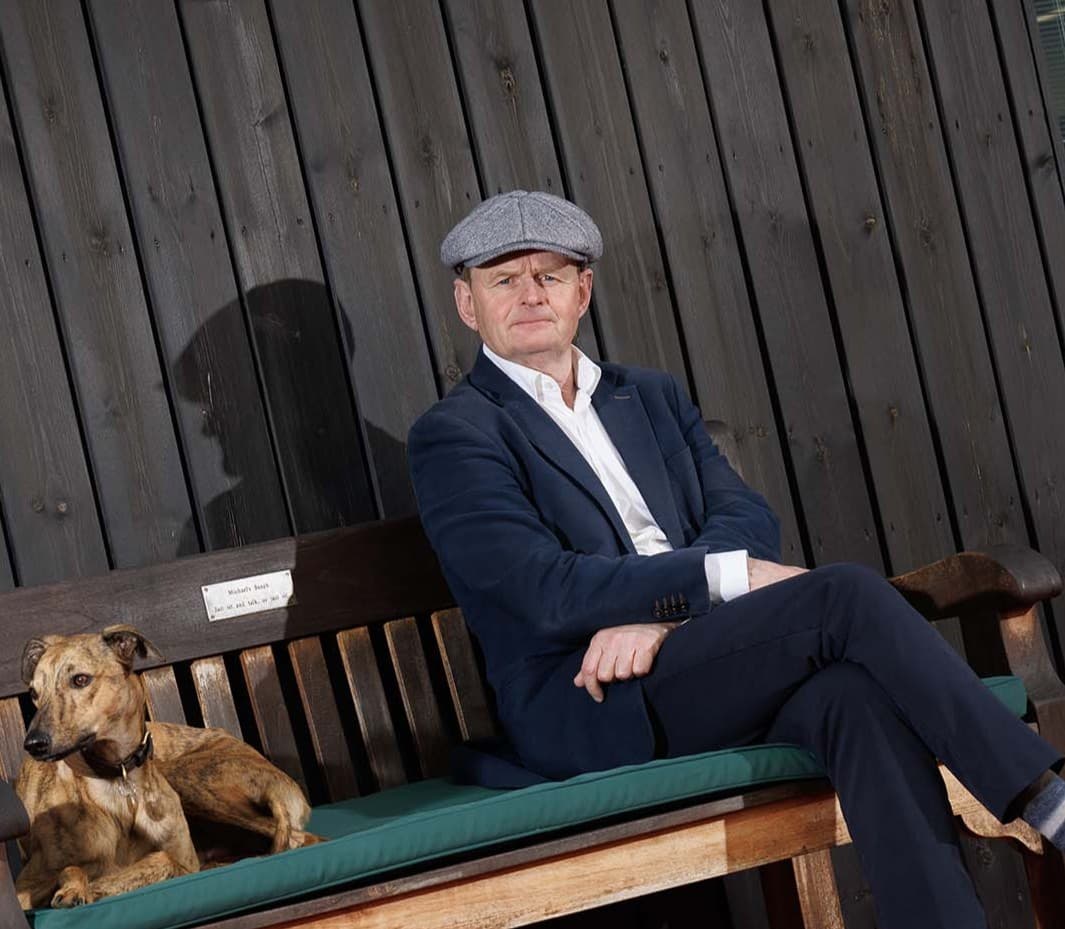
Michael Caulfield
Welfare Psychologist
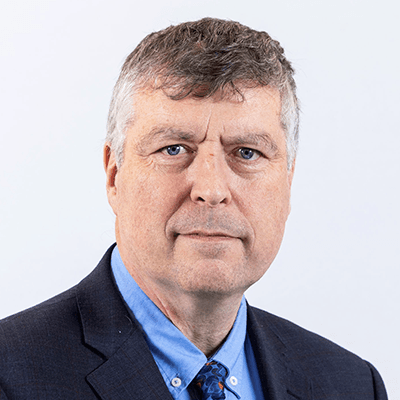
Sir Ciarán Devane
Chief Executive
The NHS Alliance
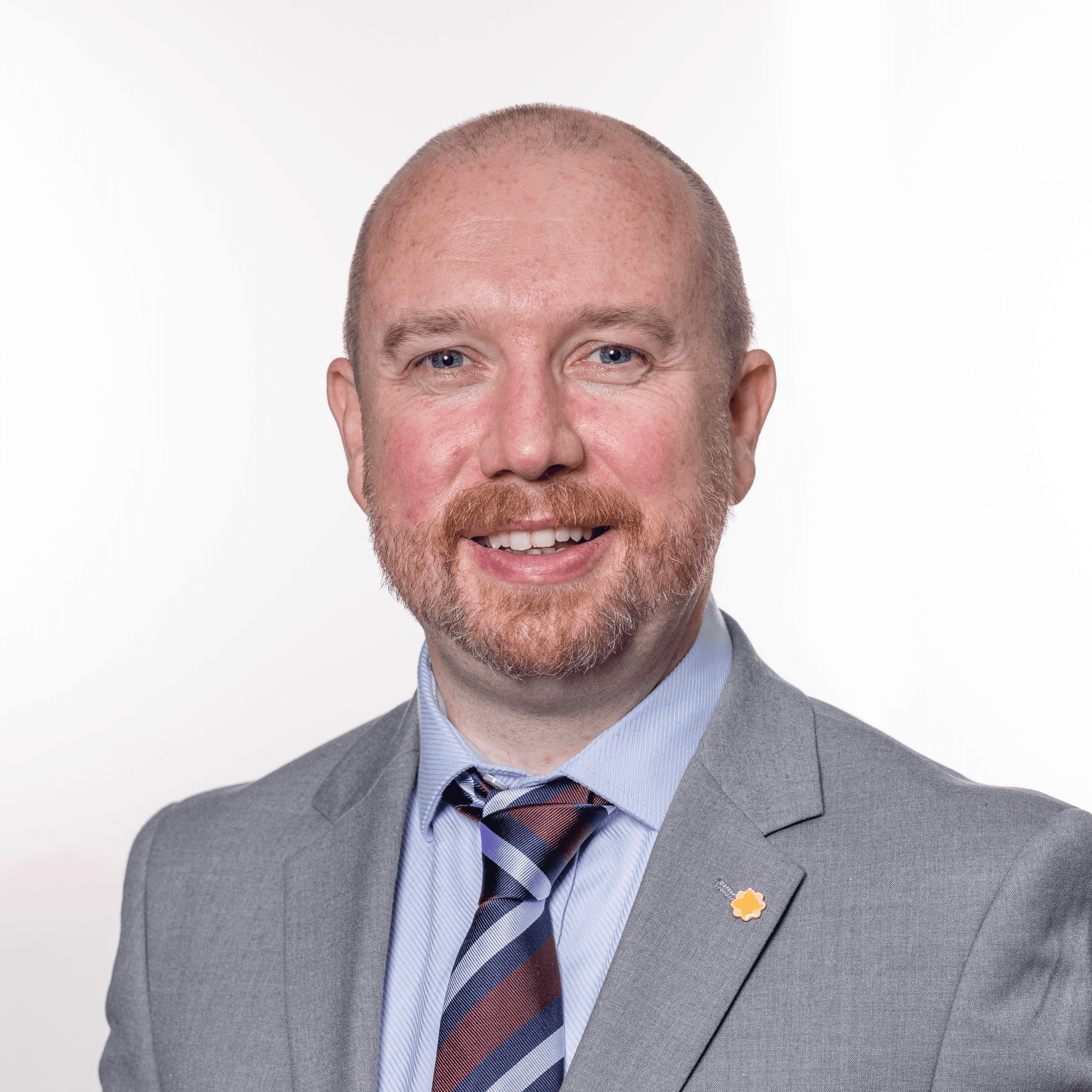
Mabon ap Gwnfor MS
Cabinet Secretary for Health and Care
Welsh Government
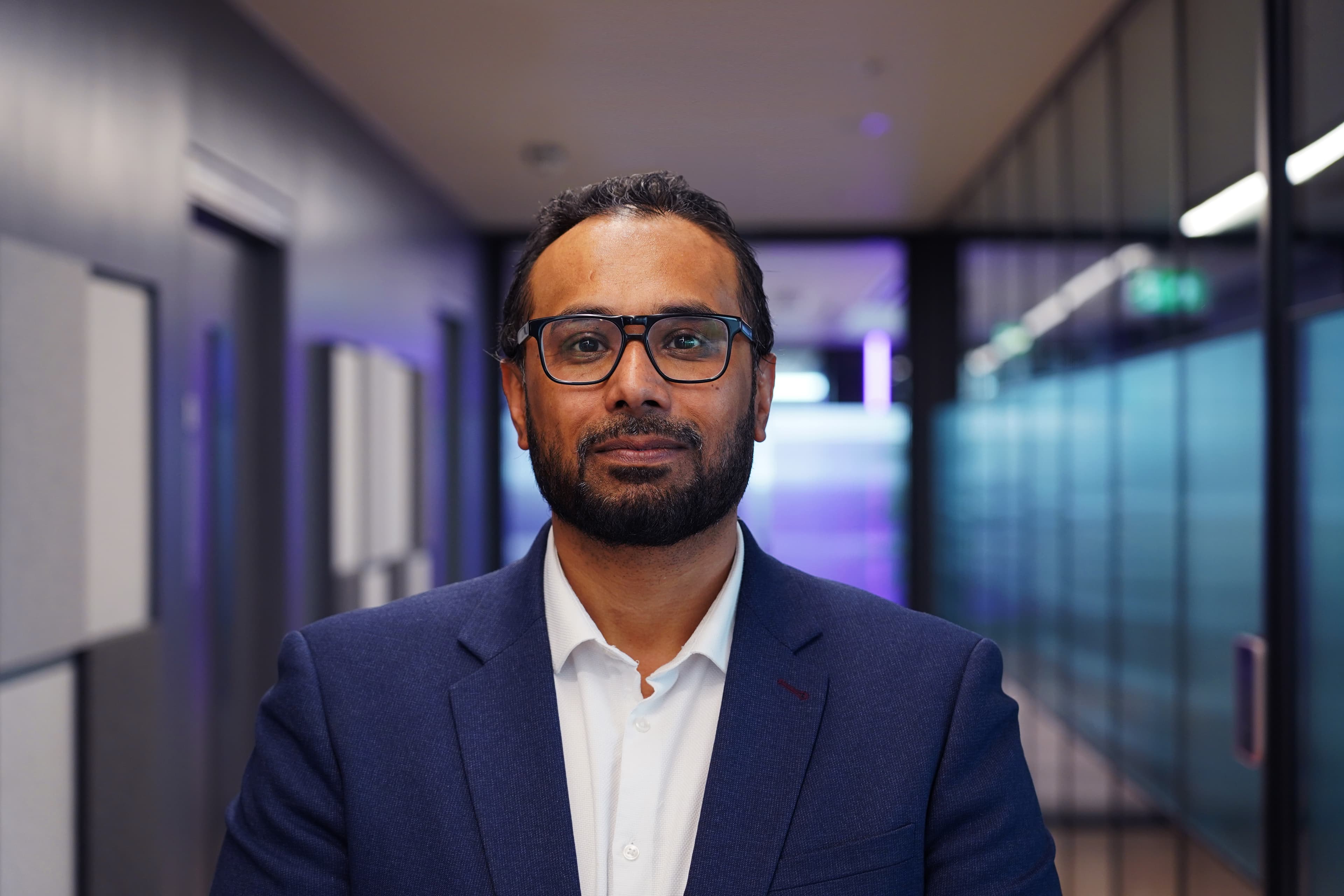
Professor Sultan Mahmud
Director of Healthcare
BT Business
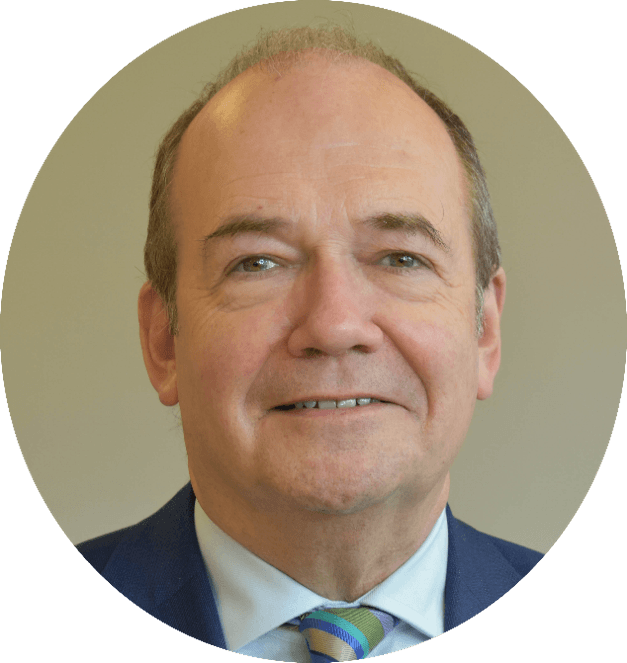
Professor Sir Michael McBride
Chief Medical Officer of Northern Ireland
Department of Health Northern Ireland
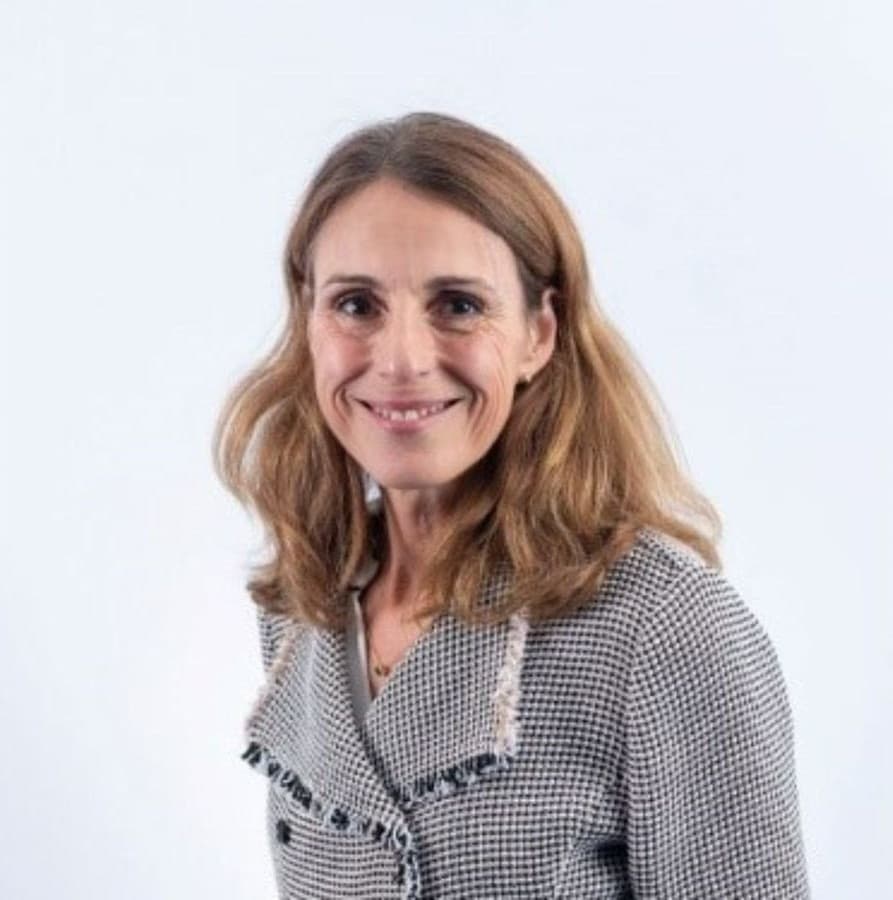
Professor Isabel Oliver
Chief Medical Officer for Wales
Honorary Professor, University of Bristol & Honorary Professor, Centre for Global Health, University College London
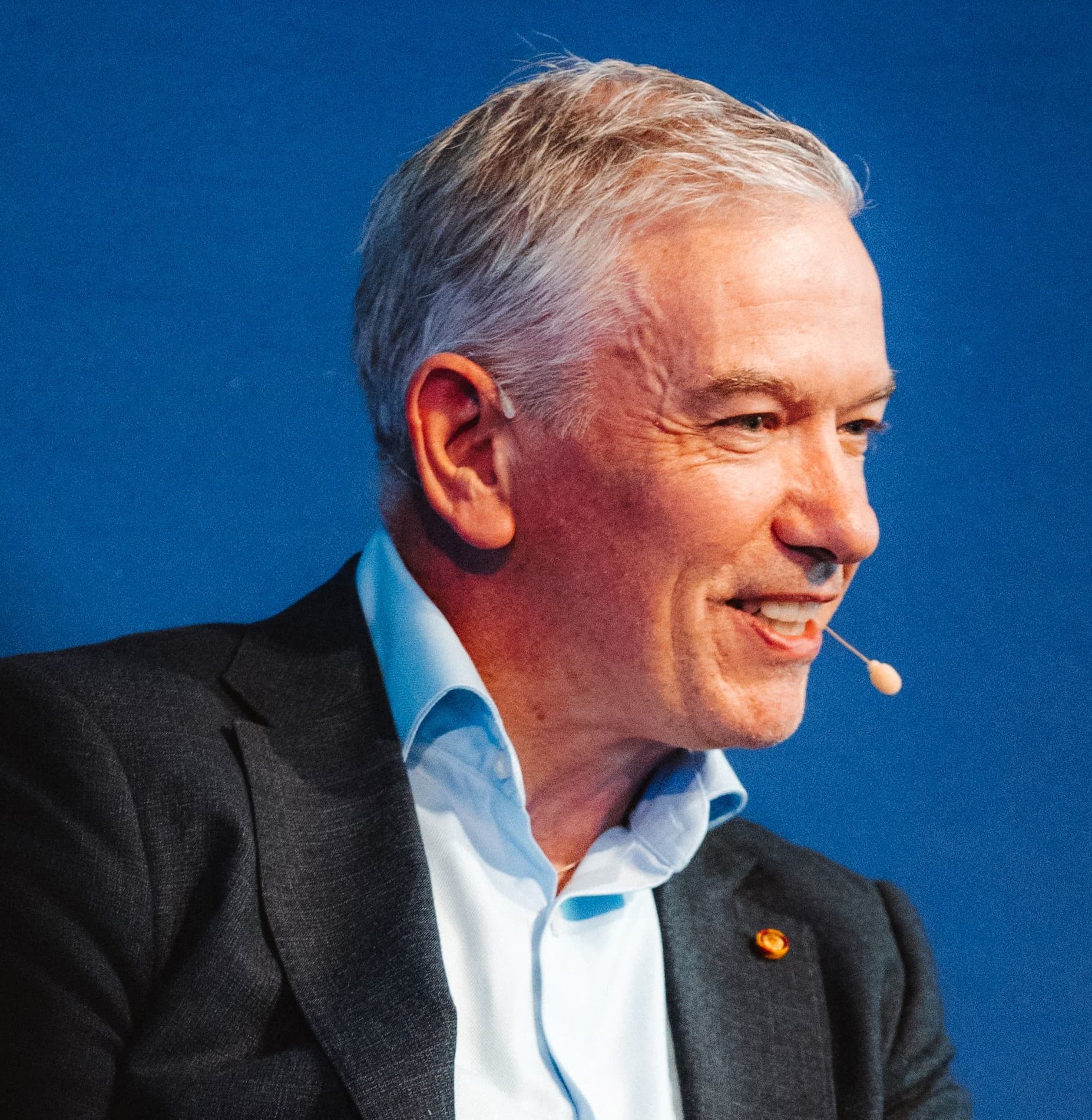
Professor Sir Gregor Smith
Chief Medical Officer for Scotland
Scottish Government

Thea Stein
Chief Executive
Nuffield Trust
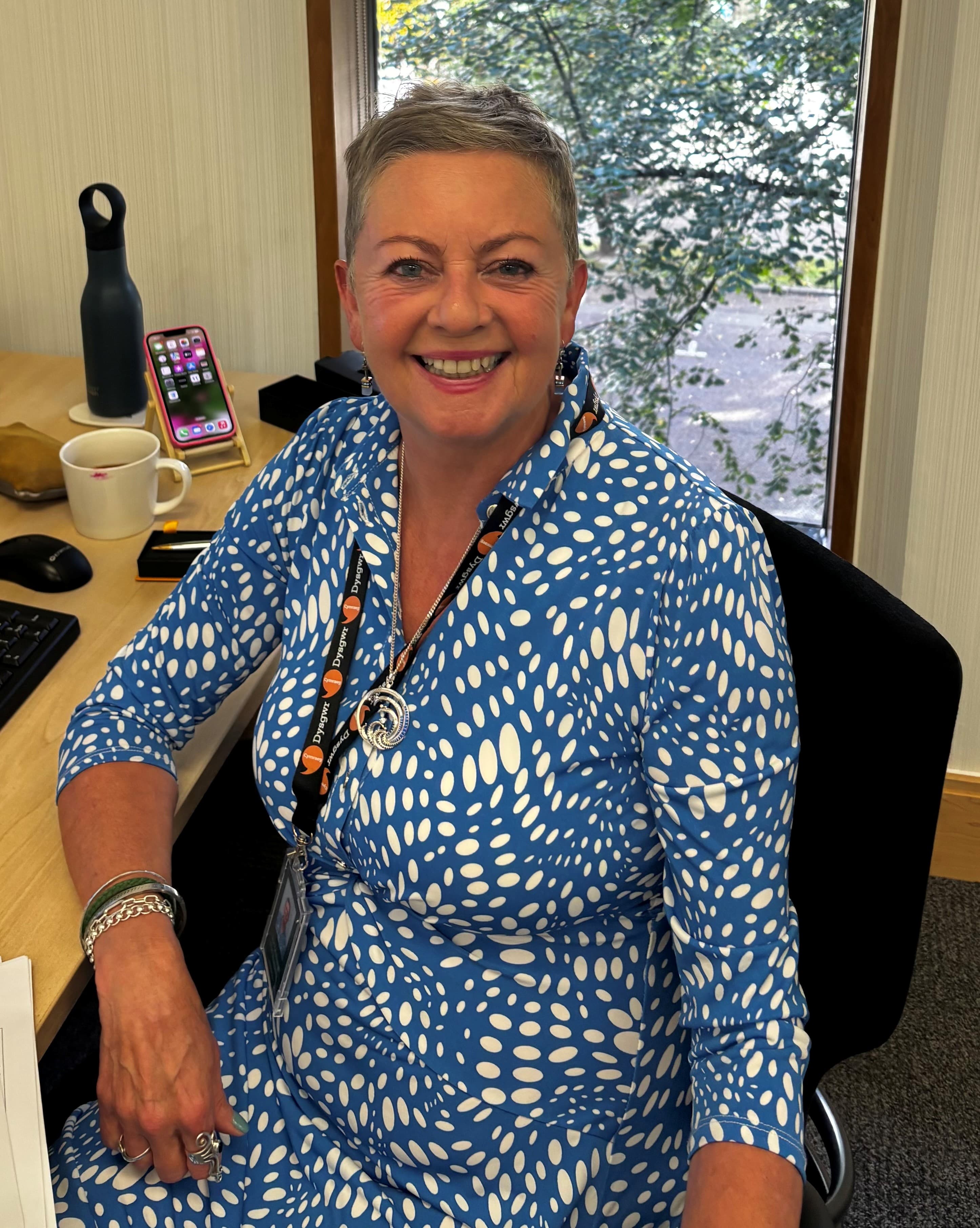
Jacqueline Totterdell
Director General of Health, Social Care and Early Years
Welsh Government